Explain Three Different Ways to Charge Objects
What Are Three Ways to Charge an Object. -16 x 10-19 Coulombs.
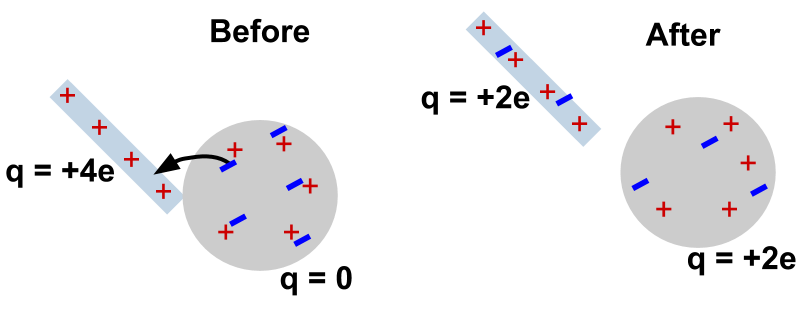
Conservation Of Charge Review Article Khan Academy
Can you place a charged object at each corner of the square so the net force acting on the charge in the center is directed toward the top right corner of the square.

. There are three different types of material. Up to 24 cash back 3. Rubbing two different materials together a process known as charging by friction AKA charging by rubbing is the simplest way to give something a charge.
Methods of charging Charging by friction Charging by conduction Charging by induction. Induction - charging something by coming close to charged object but not touching. Transfer of charges takes place in the following three ways.
The higher the static charges. Static electricity is also used to PAINTdifferent objects like CARS TOOLS BOATS etc. The three ways that charge may be transferred are through frictioncharge polarization and grounding.
Charging by Friction When you rub one material to another they are charged by friction. It is also noticed as sheets of material are stacked or running over rollers. Static tends to propagate.
The more contact detachment and friction that occurs. Up to this point we have really only discussed the oldest way to give an object a charge. Even when the static is removed from the surface static charges can still regenerate by the mechanisms above.
This method of charging an uncharged body by rubbing it. This is what you do every time you drag your feet along a carpet so you can reach out and. The result is a much BETTER and more EVEN paint FINISHon the object.
In order to charge an object one has to alter the charge balance of positive and negative charges. There is an object with a charge of Q at the center of a square. As we know a positively charged sphere has an excess of protons which in other terms means a deficit of electrons.
After rubbing your socks against the carpet reach your hand out and touch a nearby person or a metal object. Matters can be charged with three ways charging by friction charging by contact and charging by induction. An electron has a charge of -16 x 10-19 Coulombs.
Friction conduction and induction. If one object gives up electrons another object gains those electrons. Each charge has a magnitude of Q but you get to choose whether it is or.
There are three ways to charge an object. Touch another person or a metal object. The net of the two objects will still be neutral.
There are three ways to charge an object. Charge transfer by conduction using a negatively charged object. A charged object behaves differently than an object with neutral charge attracting objects with an opposite charge and repelling objects.
Friction involves rubbing on material with another resulting in electrons moving from one surface to another. You will use this value when problems give you a number of electrons and rather that a charge in an electrostatics problem. Material losing electron is positively charged and material gaining electron is negatively charged.
Friction involves rubbing on. Let us consider two objects one positively charged metal plate and a neutral metal sphere. Explain three ways of charge transfer.
Gaining excess electrons causes a negative charge while losing electrons causes a positive charge. Charging by friction by conduction and by induction. There are three methods by which charges can be transferred to build up static electricity.
If one of the materials holds electrons more tightly than the other then it takes some electrons with it. Charging by Friction When two uncharged objects rub together some electrons from one. The previous three sections of Lesson 2 discussed the three common methods of charging - charging by friction charging by induction and charging by conductionA discussion of charging would not be complete without a discussion of unchargingObjects with an excess of charge - either positive or negative - can have this charge removed by a process known as grounding.
Conduction - charging. Objects become electrically charged by gaining or losing electrons so that they have unequal numbers of protons and electrons. When charges in an uncharged metal object are rearranged without direct contact with a charged object.
When electrons are wipedrubbed one object onto another. Electrons move from one object to another by direct contact. There are three ways to do it.
Friction - charging something by rubbing it against another object. Friction conduction and induction. Most objects are electrically neutral which means that they have an equal number of positive and negative charges.
Charge transfer by conduction using a positively charged object. Charge of One Electron. 16 x 10-19 Coulombs.
Friction involves rubbing on material with another resulting in electrons moving from one surface to another. Case 1 let me count the ways. Charge of One Proton.
One of the simplest ways to transfer charge is charging by contact in which the surfaces of two objects made of different materials are placed in close contact. Friction conduction and induction. Well 1 way is by rubbing 2 objects together but the.
Against another body is called charging by friction. This is a rule known as the law of conservation of charge. The object to be painted is given a STATIC CHARGE so that it will ATTRACT the PAINT that is being sprayed.
Name three ways a static charge is made. You can tell whether youve made static electricity by whether you feel a shock or spark travel from yourself to the other person or object.
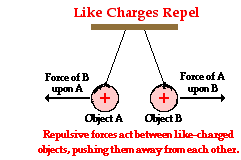
Physics Tutorial Charge Interactions

Methods Of Charging
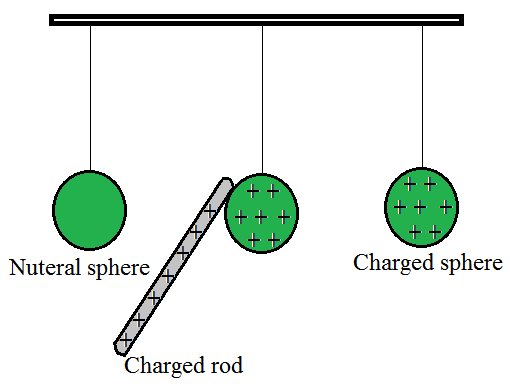
Charging By Induction Geeksforgeeks
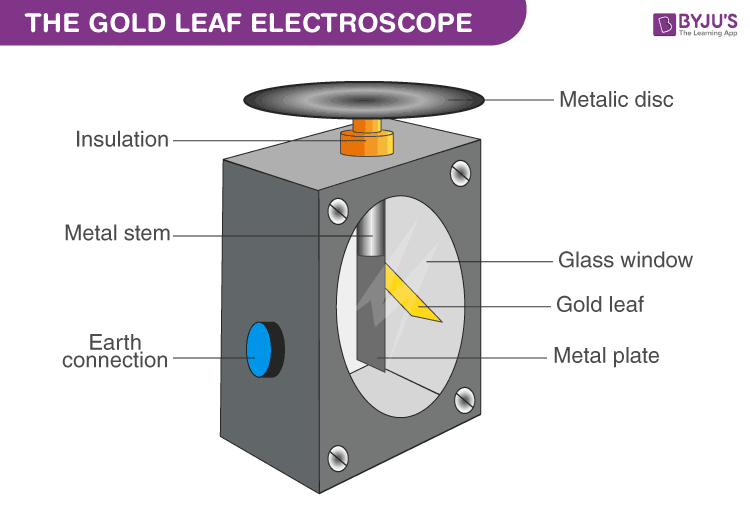
Charging By Induction Using A Negative And Positive Charged Object Byju S
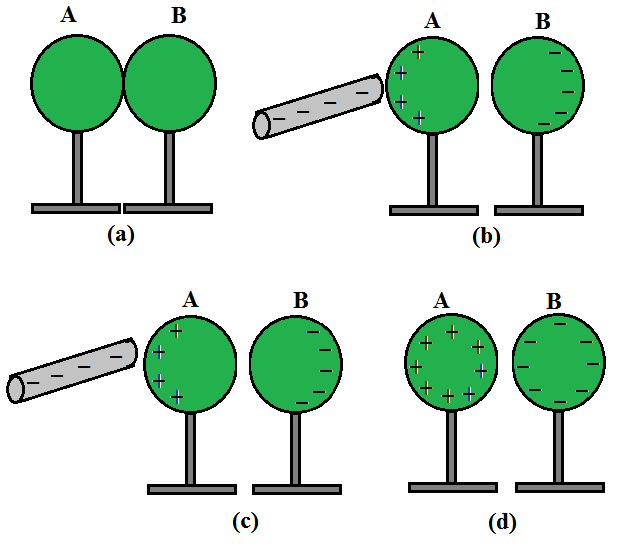
Charging By Induction Geeksforgeeks

Charging By Conduction And Induction Definition Examples Diagrams
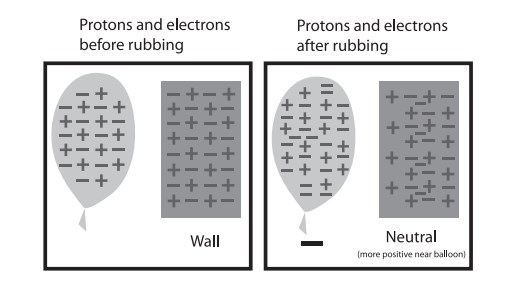
Static Electricity Science World
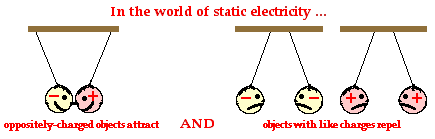
Physics Tutorial Charge Interactions

Transfer Of Electric Charge Ck 12 Foundation

Q24 State Two Ways Of Charging Lido

Conductors And Insulators Physics
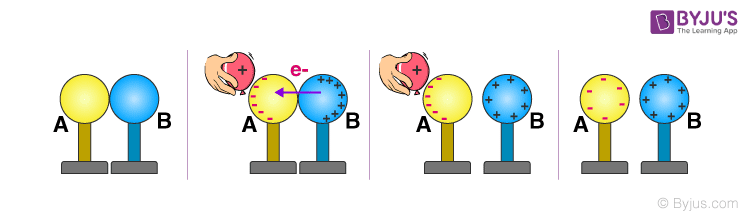
Charging By Induction Using A Negative And Positive Charged Object Byju S
Conservation Of Charge Review Article Khan Academy

Q29 Describe The Method Of Cha Lido
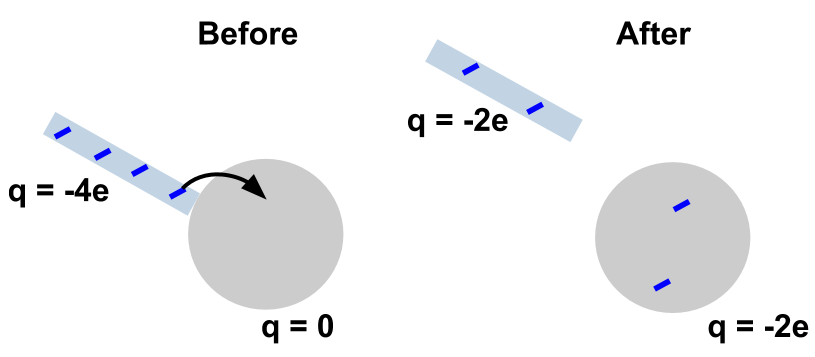
Conservation Of Charge Review Article Khan Academy
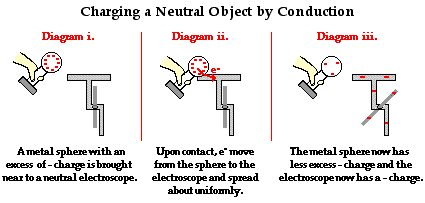
Physics Tutorial Charging By Conduction
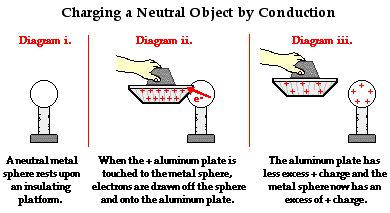
Physics Tutorial Charging By Conduction

Charging By Conduction And Induction Definition Examples Diagrams

Methods Of Charging


Comments
Post a Comment